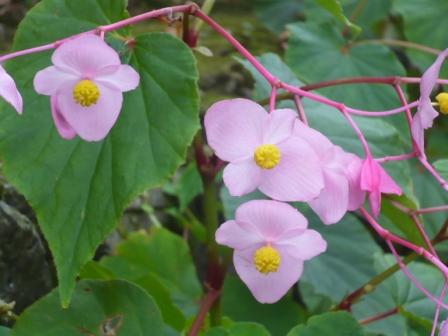
Showing posts with label flowers. Show all posts

Wednesday, 22 August 2012

树-TREE

我很喜欢树。。。
小时候很喜欢跟树讲话。。。^^ 但,都总是没有回应的。风吹一吹, 树叶摇摆晃动,我就当作是回应了。。。
不开心的也说,开心的也说。。。有时,还会问“你好吗?” ^^ 它们总是高高的往下看,总觉得很像个慈悲的老人家,怜悯的看着我。所以,不自觉就爱依赖。(当然不是对着树撒娇)

 
索克也拉岛屿上的一种独特的树:龙血树,在近乎不下雨的恶劣环境下生存着。大多分布于海拔较高的
石灰岩地区。树皮被割开流出的血红色的树脂可医治很多的病。好像一把大雨伞一样覆盖着它要保护的土地,很茁壮也很温柔。
树,给我的感觉是温柔的,虽然,他们都很高很大。越粗大的树干越安全,感觉越温柔。会开花的,会结果的,会在不同季节落叶或转变叶子的颜色的。。。整个地球都是树!^^

巴林生命之树:这棵牧豆树活了400多年。这可能不算什么。但,在沙漠活了400多年就很“强”了!从google map
可以看到这棵树和它周围遭透了的环境。不禁叫人赞叹,它到底怎么过的呀?
它们很坚强,什么环境都会适应。(虽然,有时还是会被我忽略没浇水,死掉了。)大自然里,好像哪里都是它们的世界。在哪里成长就适应哪里。每一刻都在当下(present)没有埋怨。

在印尼,巴布亚新几内亚或菲律宾都可看到的
彩虹树。哇!很热闹啊!这个世界。
我认识的一位身心灵老师在去内观禅修时,随口向路边的树木说话,而他得到了回应。(这绝对不是树开口说话了,而是心灵感应。我想原来以前是我听不到,不是它们没回应^^)他告诉我们,每一棵花草树木都充满了智慧。它们与世无争,每一天都活在当下,它们每一刻都 ‘在’。它们说:“每一件事都是必然的。” 在它们的理解里,会这样是‘当然’的。

世界上没有‘偶然’,只有‘必然’。宇宙的法则,大自然的定律就是如此。没有地点,没有时间,没有过去,没有未来。只有现在。而,现在也刚刚过去了。不管你有没有察觉到它。

这种树在树皮于不同时间脱落后被在不同时日日照形成的
树皮由亮绿色,随着时间变暗,从蓝变紫,再变成橙色
或栗色。这绝对是上天的涂鸦板吧!不可思议的华丽呀
!曾有个植物学家(LarinAnn Garner)说:
‘这是一件有生命的艺术品’ 

爱树木,是因为它们总在我的四周。我的眼睛也时常的会去捕抓周围的 '树影'。每当看到它们被砍下时,感觉真的很不好。‘干嘛要砍掉呢?好好的又不碍眼,为什么要牺牲掉这么美丽的树?’ 它们的回复可能也将是 ‘这没有什么,因为就应该这样发生。'

它们无处不在。。。它们天生就如此的美丽呀!^^


图:网络流传


Tuesday, 30 August 2011

Celeste不开心时会做的事

人的大脑每秒钟可以接收四亿位元的资讯,但它一次只能处理两千位元的资料。(自电影“What the bleep do we know” )

所以。。。
不是每一次都可以那么开心,那么拿得起放得下,有那么乐观积极的态度。。。
也不是每一次都可以说服自己。。。
不是每一次笑都是真的开心。。。
不是每一次碰到不好的事都可以转得了念头。。。
不是每一次跟别人说 ‘没关系’ 都是真的不要紧。。。
不是每次都可以办到。。。

在自己非常的黑暗时。。。因为太难过了,
常常会一个人,连做梦都会哭醒过来。=_=
这样也不是,那样也不对。。。
更无法相信的是,身边的人竟然都觉得忧郁这种事不太可能在我身上出现,以为我在开玩笑。天啊~平时笑脸迎人,也不是件好事。0_o


所以,我用了我的方式,一个人去做了很多的事
我现在想起来觉得,真的有点好笑。 ^ ^

在马来西亚,有很多的高速公路都是要给过路费的。
当时,我最常在很难过的时候做的事就是,帮后面那辆车子给过路费。
可以想象后面那个司机一头雾水的样子吗?你知道吗?人在那一刻会因为自己的这个搞笑的小举动和想象力而开心地笑起来。(^ ^)v 真正的从心里笑出来^ ^
然后,就会想:“后面的那位司机一定以为今天太幸运了!又或者前面那位我认识的吗?”
但,他绝对没想到他帮我排除了我的忧郁。

我还常做的一件事,就是买些小零食送给在收费站负责收钱的员工。
看到他们惊喜地笑时,自己也会跟着笑了。因为想着自己如果突然收到礼物也会很开心时,就觉得对方应该也是如此。

难过时我也会有眺望远处的习惯。
这么做会让视野变阔。
无际的天空,山,漫天的星星或长长的马路边两排低垂的树枝随风摇摆。。。
观察在周围的动物和植物。花朵有没有长出新的苗?蚂蚁今天搬来了什么东西?
在天空飞舞的蝴蝶,从山林里跑出来的小松鼠,喜鹊和叫起来很好笑的八哥。
这个时候连看乌鸦都会觉得他们很可爱。所以,每次遇到令人讨厌的事时,就会想住到森林里去。


Picture by John James Audubon
记得有一次,很纳闷的回到家。在停下车子后,发现有一只八哥被朔料袋缠住了,卡在隔着树林和公寓的篱笆,一直在挣扎。好心想去帮它。结果,它发现有人过来,危机意识提高,真的是狗急跳墙。竟然就死命拖着朔料袋跑了很远一段路,结果,用力的扯破了袋子。然后,好像见了鬼那样飞掉了。
它虽然是很害怕,但整个过程是超好笑的! 这样说好像很坏,但,在那一刻的我对那只动物是又好气又好笑呀!-_<

在心情很down时,关注这些小生命会让自己愉快起来。因为,它们就是那么简单。
这会让人的心变得温柔,很多的事情就很容易去原谅也容易把不通的事看明白。
因为大自然总是很宏大的,所以,突然会觉得自己好渺小。这样,那一点点难过的事就变得更小了。^ ^


我还会跟我的小兔讲话。宠物就是有着这样的能力。^ ^
你可能以为它不明白,但它就是会静静的挨在你身边。我记得有几次哭的时候,小兔它会用眼睛一只望着我,然后,一直的呆在我的身边。它不会说话,但绝对感受到了你的感觉。因为不懂得说话,所以用行动做给你看了。
我当时会想:它要是说话了,我该怎么办?^ ^(很庆幸身边就是有很多这样的事,让想象力丰富的我很容易就可以开解自己。)
だから、ありがとう 自由君。^ ^


有时,会弹钢琴。Sonata之类比较快的歌或是完全相反的很温和的歌曲,如Spring Song, The Swan等这样的歌曲。
通常过后手指会很痛。。。因为,长时间做平时不时常做的事,然后做很久。这就是后果。。。
这架钢琴是一位朋友到新加坡前留给我的。非常地珍惜。因为,没有人会把钢琴当成礼物送给朋友吧?所以,坐在这架钢琴前的感觉真的无法形容。就像那位朋友陪着我一样。 弹出的音乐,像是在说:快点恢复状况吧!朋友! ^ ^


 最近,因为阅读了一些书籍,也学会了更好,更实际的方法。面对着那些令人讨厌和难过的事。
在心里看着它们,告诉它们:‘我已经知道了,也明白了我的想法。我现在要的是,更开心的自己!所以,谢谢你的到来。再见咯! ’
当然,感觉有点像在骗自己,但,却是真正的在跟自己的最深心灵的一种对话方式。当我了解到这样的事的时候,我可以决定我要怎么去面对它。不是每一次都成功。。。但,希望会变得越来越好。

每当,遇到令人心烦的人的时候,会在心里祝福她/他:‘你一定会得到福报的。’如果还是很讨厌的话,那么就一直尝试去祝福对方。


“我的世界很小,但是刚刚好,刚刚好让我遇见美好。”(自张曼娟,刚刚好)

在难过心烦的时候,遇到某人的一句话,书里的某一页里的某个句子,其实就是被上天安排好的‘解药’。
我常常这么想。
然后,感恩它在这个时候通过某种方式传达到我的耳中,或让我看到了。
所以,我特别喜欢听别人说话。我觉得,越比我强大的人,就可以带着我走得更远。。。因为他们之所以强大,是看到了不一样的东西。

我做不到像“我的字典里没有挫折和困难。”这样的事,不过,我现在愿意去面对它,然后,目送它离去。不是每一次都可以成功,可是,一定会有什么援助到来。。。

每个人用每个人的方式生存了下来,我用我的方式度过了很多的日子。现在终于慢慢可以掌握住自己想要的愉悦。虽然还有很长的一段路要走,但是。。。看的世界渐渐明朗了,也开始回归了单纯。。。

Monday, 15 August 2011

四叶草

八月的第一个星期,我回到了在Johor的家。在家旁边的院子,爸妈种了很多花。常常都会找时间呆在那里。院子里长了很多三叶草(clover),常常都会在那里寻找那只有万分之一机率可能找到的四叶草(lucky clover/ four-leafed clover)。

那天,我在我的家院子找到了四叶草。这已经不是第一次找到了。在我的人生中,在这里--我的家,我已经见到第三次了。有一次是爸爸找到给我的,所以很珍惜把它压成干花后,用相框镶了起来。^ ^

不过,因为没有压花的知识,所以,变成了黄色。。。


这是在8月找到的,正在压花过程中。
那天,只是心里惦记着四叶草,然后,它就出现在我面前了。我突然想起吸引力法则。^ ^ 内心的想法反射于表面世界。我很喜欢四叶草,就算它是三叶草都一样很喜欢。所以,常常可以见到它们。

以前,就一直很相信四叶草是代表幸运的。所以,到网上去找了一些资料, 然后发现。。。^ ^

四叶草是车轴草属植物(包括三叶草属和苜蓿草)的稀有变种,也有五叶以上,至多是十八叶。在西方认为能找到四叶草是幸运的表现,在日本则认为会得到幸福,所以又称幸运草。四叶草会被赋予这些意义是因为非常其珍罕性。大概一万株三叶草中只会有一株是四叶的(一说为十万株才有一株)。


传说中幸运草的四片叶子所代表的意思,有以下两种讲法:
  1.第一片叶子代表希望(hope)、第二片叶子表示信心(faith)、第三片叶子是爱情(love)、而多出来的第四片叶子则是幸运(luck)的象征。这种说法与基督教的望德、信德和爱德思想相配。
  2.第一片叶子代表真爱(love)、第二片叶子代表健康(health)、第三片叶子代表名誉(glory)、第四片叶子代表财富(riches)。


爱尔兰民在传统的爱尔兰婚礼上,新娘的花束,新郎的胸花,都必须包含幸运草。幸运草被认为婚礼上必不可少的第三个人。
在瑞士,每年圣诞节,都能在商场买到真正的四叶幸运草盆栽,幸运草被认为是最有创意的圣诞礼物,幸运草的好运气,送给亲人,受赠人会从此开始幸福,在这个世界上一切顺利。
picture by Akiyeo
在德国,在1190年发现了真正的四叶草,幸运草被认为是自由,统一,团结,和平的象征。 他们认为,没有什么不好的可能发生,如果他们拥有一个四叶的三叶草。


这是个多么奇妙的生物呢!^ ^
而我是多么的被上天眷属着,一直都找得到四叶草。所以,我相信很多很美好的是会发生在我的身上!^ ^


感恩着。。。我在梦想成真的过程中。 

Thursday, 23 June 2011

Wagashi-Japanese Sweets おいしい!^^

 I'm a Japanese food lover especially the Japenese Sweet which call Wagashi
Wagashi (和菓子) is a traditional Japanese confectionery which is often served with tea, especially the types made mochi azuki bean paste(red bean paste), and fruits.Wagashi is typically made from natural (mainly plant) ingredients. The names used for wagashi commonly fit a formula—a natural beauty and a word from ancient literature.Japanese sweets has over twelve-hundred history, it originated from the Chinese elixir of life.
In Edo period, it had incorporated the technique of the western sweets. After over hundreds years' harmonizing of both sweets, Japanese sweets had established as one of the Japanese own cultures. 
Japanese sweets is full of seasonal taste and consisted of aesthetic sense and colors of four seasons, such as a pink colored rice cake rolled with cherry leaf in spring, as a sweet jellied bean paste in summer. Most of names of Japanese sweets are based with the beauties and scenes of the nature, traditional Japanese poetries, literature, local history, name of the place and etc.
And also, Japanese sweets is very important fact on various cultural events of Japanese people's life, such from a birth to entry to school to marriage to funeral. 
Wagashi are classified according to the production method and moisture content. Moisture content is very important since it affects the best-before date.
  • Namagashi
  •  (生菓子) (wet confectionery)—contains 30% or more moisture.
  • Jō namagashi
  •  (上生菓子), very soft and delicate seasonally varying namagashi, in various, often elaborate, shapes and colors, often reflecting seasonal plants. Some stores will have many dozens over the course of a year.
  • Mochi
  • mono (もち物)
  • Mushi
  • mono (蒸し物)
  • Yaki
  • mono (焼き物)
  • Hiranabe
  • mono (平なべ物)
  • Ōbun
  • mono (オーブン物)
  • Nagashi
  • mono (流し物)
  • Neri
  • mono (練り物)
  • Age mono
  •  (揚げ物)
  • Han namagashi
  •  (半生菓子) (half-wet confectionery)—contains 10%–30% moisture.
  • An mono
  •  (あん物)
  • Oka
  • mono (おか物)
  • Yaki
  • mono (焼き物)
  • Hiranabe
  • mono (平なべ物)
  • Ōbun
  • mono (オーブン物)
  • Nagashi
  • mono (流し物)
  • Neri
  • mono (練り物)
  • Higashi
  • (干菓子) (dry confectionery)—contains 10% or less moisture.
  • Uchi
  • mono (打ち物)
  • Oshi
  • mono (押し物)
  • Kake
  • mono (掛け物)
  • Yaki
  • mono (焼き物)
  • Ame mono
  •  (あめ物)

After a trip to Japan last year in 2010, I totally fall in love with Wagashi.  It is the ultimate intersection with food and art which I respect very much! ^ ^ 
It is an invitation to indulge all five sense:-
Taste

Appearance


Scent
Texture


Sound


Japanese cuisine- 日本料理 has it unique inner philosophy. The food look simple, but it does not simply just food. From ingredients to technique, the Japanese always demanding for perfection.Japanese cuisine is simple but difficult. Because the steps are simple, therefore, every details must have a certain quality and standard, that any short cuts is not allowed. Just like the calligraphy, simple but not easy! (简单,不简单) The Japanese will always hold  with their philosophy of ' I'm with my sincere heart to make the best food for you!' and very importantly, they take care of the food hygiene as well. This is actually part of the philosophy too. (GKP -good kitchen practice, 厨德 )

They are so lovely and is very hard to eat them! ^ ^
          My Wagashi learning experiences:-
My first experience of doing wagashi is with Ikuko san (郁子), she taught me how to make dango丸子. It really look simple initially. With very simple ingredients(only 2 ingredients for foaming the dango, and 3 ingredient for the seasoning) and steps, you can make dango.  
So, when I try to make it on my own at home, I fail for more then 5 times and started to think whether I had brought the wrong ingredient?? The dango that I made couldn't float in the boiling water, it was so sticky and taste like uncooked. 
Hoho! And then comes one day, I was struggling because couldn't sleep for the whole night, even though I have tried many ways. Then, I told myself 'why not go and do dango?' ^ ^ Eventually, I had made it after a few tries!! とても 嬉しかった!(^ ^)v  It actually taste like our Chinese traditional food Tang Yuan, 汤圆.  
これは いちご大福.(ichigo daifuku) This was the second experience of learning to make wagashiMy sensei is Hiromi san (宏実),she have been teaching wagashi in Japan for many years and yet she is still doing it after she moved to Kuala Lumpur, Malaysia!   ^ ^  
I got to know her from my Mandarin class. She made lots of wonderful Japanese sweets and she have her website at http://yorokombu.exblog.jp/ (in Japanese) 
Daifuku mean happiness. Again, very less ingredients needed, but I had tried many times, it doesn't really work out. =_= Taste, appearance, texture... ぜんぜん だめ.  
A dull edge utensil use for tasting wagashi. Beautiful!
My last try was on last Sunday, had shown little progress of improvement. ^ ^ Finally, able to share some with friends. 


I really wish that the person who ate them, felt the happiness. This was my wish when made this Daifuku. For me, food represent the heart of a person who made it. Therefore, I always believe that, if I put in the spirit of love, then, the person who ate them can get the love and felt lucky for the whole day. ^ ^ 

Butter and milk is rarely used in the wagashi cooking, therefore, it is suitable for everybody. It can also be pretty sweet which goes well with strong green tea. 
When I learn to make daifuku with Hiromi san, I have got a chance to see the tea ceremony. These are all the utensils(chawan-tea bowl, natsume-green tea powder container, chasen-the bamboo tea-whisk, chashaku-green tea macha scoop,etc) that needed during the tea ceremony. Amazing! seeing her making the macha green tea. 
She took the Chasen in the right hand and hold the Chawan with the left hand to make sure it doesn’t tumble over when whisking. Whisk the Oyu and Macha to froth with about half of the Chawan covered with foam.  When the green-tea froth is well mixed, finish by drawing a の (No) shape in the Chawan so that the foam floats in the center.  

WAU! ^ ^ とても おいしかった。。。 


Monday, 11 April 2011

Flower

This is a gift from heaven.                               


                                                                        They give color to the world. 


They are so cute yet so gentle. ^^


                   They wish to fly but they cant.


Still, they always show their smiling face to you...


                                                                              Show you the best of them.


Included all pictures above, these are some of the flowers planted in our garden. ^^


My parents like to plant flowers in the garden beside the house.
Every time when almost all the flowers blossom , butterflies, bees, birds coming and the garden become so happening ^^  This may be the reason why I love flower so much                                                                                                                                                  


When I stood among them, I feel good. When the wind blow, I can feel their gentle gaze. ^^


Some flower photos taken while in Japan. Sweet and beautiful 美しい ^^


Some pictures from a Japanese drama named: Kaze no garden

  
This is Campanula Wedding Bell, I got to know lot of flower's names in this drama. So great!^^